Physiotherapy Software Case Studies & Practice Transformations
Explore real-world operational case studies detailing how physiotherapy practices streamline scheduling, package tracking, billing, and multi-branch operations.
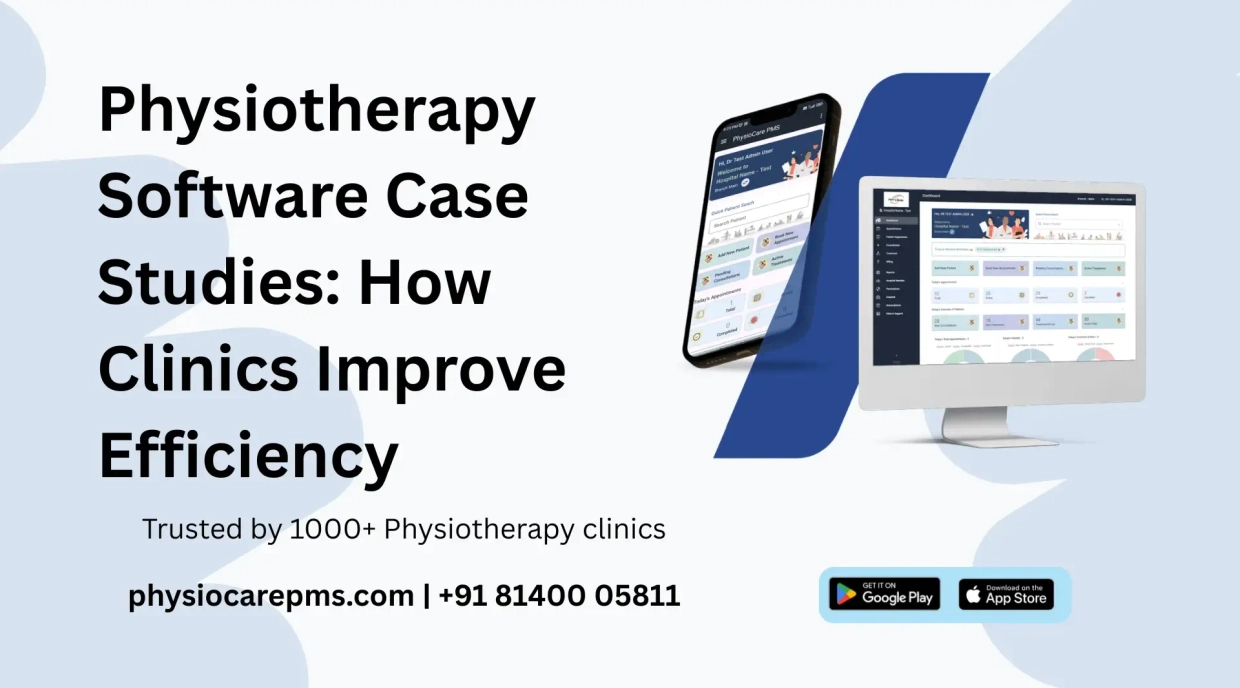
Modern physiotherapy practices face distinct administrative challenges. Managing daily patient appointments, tracking multi-session treatment packages, generating billing receipts, and overseeing therapist schedules can quickly strain clinic resources. When practice owners transition from paper registers or Excel spreadsheets to cloud-based software, daily clinic operations become organized and predictable.
In these physiotherapy software case studies, we examine real-world operational scenarios—from solo physical therapy practices to multi-therapist rehab centers and multi-branch clinic chains—demonstrating how specialized software resolves common administrative bottlenecks.
Real Operational Challenges Solved by Physiotherapy Software
Unlike general medical OPDs, physical therapy practices rely on multi-session care plans, physical assessment templates, and dedicated modality tracking (such as TENS, IFT, ultrasound, and exercise rehab). Specialized software replaces fragmented manual records with a single, synchronized cloud platform.
Case Study 1: Streamlining Solo Practice Workflows & Paperwork
Clinic Scenario
A solo physiotherapist operating an independent outpatient clinic struggled with evening administrative tasks. Spending hours after clinic hours organizing paper case files, hand-writing receipts, and manually tracking patient follow-up dates created operational burnout.
Implementation Solution
The practitioner adopted PhysioCare PMS to centralize daily clinic operations:
- Created digital patient profiles instantly using patient registration .
- Logged clinical findings and exercise treatment plans with consultation notes .
- Printed itemized payment receipts using print bill receipts .
Operational Impact
By digitizing patient intake and bill generation, the practitioner saved up to 5+ hours daily on manual administrative paperwork. Patient records became searchable in seconds, and evening administrative delays were eliminated.
Case Study 2: Managing Multi-Therapist Schedules & Treatment Packages
Clinic Scenario
A growing rehabilitation center with four consultant physiotherapists faced frequent scheduling overlaps and package tracking disputes. Patients purchasing 10-session post-operative rehab packages were relying on paper punch cards, resulting in lost records and session count disagreements at the front desk.
Implementation Solution
The clinic deployed automated scheduling and package management modules:
- Organized consultant availability and appointment slots via appointment booking .
- Automated multi-session visit deductions upon check-in using treatment package management .
- Tracked modality catalogs (electrotherapy, manual therapy) with treatment management.
Operational Impact
Automated session deductions completely eliminated package balance disputes. Front-desk staff and therapists gained real-time visibility into remaining package sessions, while the central calendar prevented double-bookings across shared treatment rooms.
Case Study 3: Scaling Multi-Branch Operations & Patient Communication
Clinic Scenario
A physiotherapy chain operating three branch locations struggled to monitor cross-branch collections, enforce front-desk staff access boundaries, and send professional appointment reminders to patients.
Implementation Solution
The management team implemented multi-location administrative controls:
- Monitored multi-location revenue and therapist attendance using multiple branches management.
- Configured staff access roles and reception permissions with clinic members management .
- Dispatched automated notifications under their verified brand using official WhatsApp Business API integration.
- Generated monthly revenue and expense breakdowns through clinic reports.
Operational Impact
Clinic leadership gained real-time dashboard visibility across all three branches, while automated WhatsApp reminders delivered appointment confirmations and digital PDF receipts directly under the clinic's verified name.
Operational Impact Comparison Matrix
Summary of operational improvements achieved across practice types:
| Practice Type | Primary Operational Challenge | Software Solution Applied | Key Operational Result |
|---|---|---|---|
| Solo Practitioner | Manual evening paper records & receipts | Digital patient EMR & receipt printing | Saved 5+ hours daily on admin work |
| Multi-Therapist Rehab | Package session disputes & double-booking | Automated package deduction & central calendar | Transparent package balance tracking |
| Multi-Branch Chain | Cross-branch reporting & unverified messaging | Centralized branch dashboard & WhatsApp API | Central oversight & branded reminders |
How Your Clinic Can Achieve Similar Practice Results
To achieve similar operational efficiency in your practice:
- Start a Risk-Free Trial: Explore all capabilities with a 10-day free trial (no credit card required).
- Set Up Treatment Catalogs & Packages: Configure standard treatment rates and multi-session package offerings.
- Onboard Staff Roles: Assign appropriate access permissions for receptionists, consultants, and branch managers.
- Automate Patient Communication: Activate WhatsApp API integration for automated appointment reminders and PDF bills.
Review predictable monthly plans on our physiotherapy software pricing page.
Frequently Asked Questions
Transform Your Practice Operations Today
Start Free 10-Day Trial Schedule Live DemoExplore all features — 10-day free trial, no credit card required
Related Workflows & Further Reading
Recent Posts
