WhatsApp Appointment Reminders for Physiotherapy Clinics: Complete Guide
Learn how WhatsApp reminder automation helps physiotherapy clinics reduce no-shows, improve patient compliance, and save reception time.
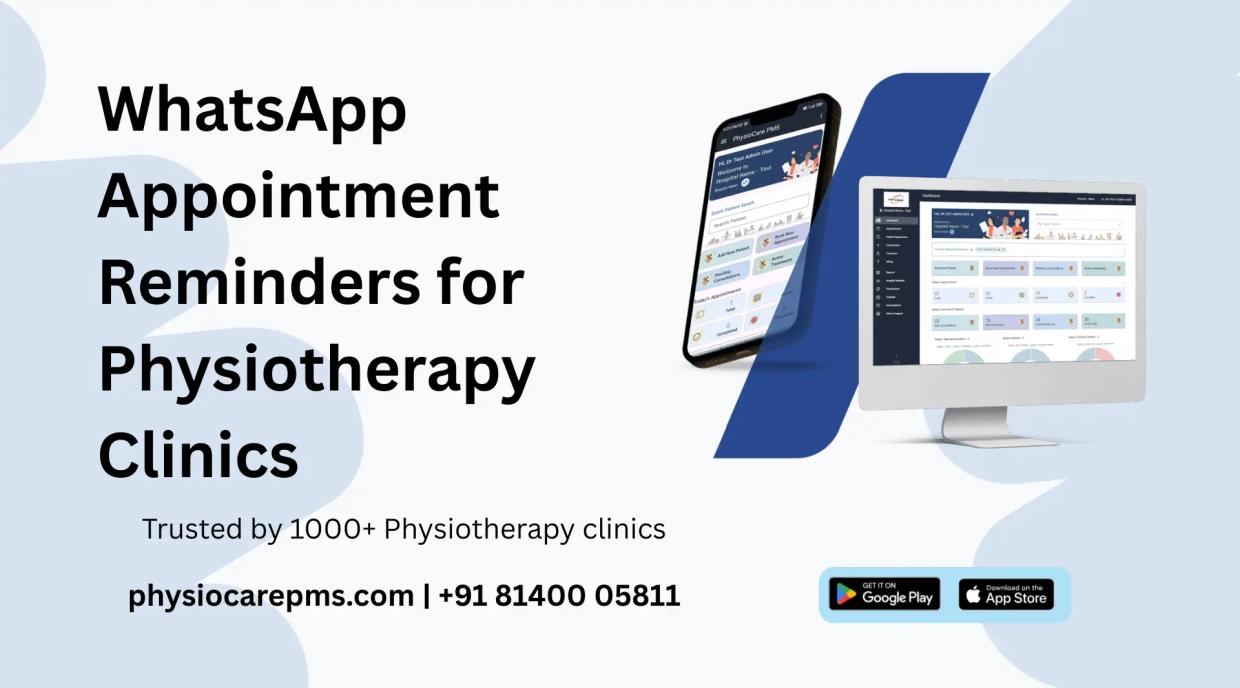
In the fast-paced world of healthcare, missed appointments can often be a significant hurdle for physiotherapy clinics. Imagine preparing for a day filled with patients only to face empty slots due to no-shows. This scenario is not uncommon and represents a hidden challenge that can impact revenue, patient outcomes, and overall clinic efficiency. Fortunately, technology has provided us with solutions to combat this issue. Enter WhatsApp appointment reminder software, a game-changing tool that can help clinics maintain their schedules and improve patient compliance.
This guide breaks down why missed sessions happen, why WhatsApp works better than most channels, and how to implement a practical reminder workflow in your clinic.
The Problem Every Clinic Faces
Imagine this situation.
Your clinic schedule shows 20 appointments today. But by the afternoon, 4 patients didn't show up. No cancellation. No message. Just empty slots.
Missed appointments are one of the biggest hidden problems in physiotherapy clinics, leading to lost revenue and wasted resources that could otherwise be used for patient care.
Why Patients Miss Appointments
Common reasons include:
- Forgetting the appointment
- Busy work schedules
- Unexpected travel
- Confusion about timing
Many patients simply forget their appointments or may not prioritize them due to competing responsibilities. Understanding these factors is essential for implementing effective solutions.
Why WhatsApp Works Best
In countries like India, WhatsApp is the most commonly used communication platform, boasting over 487 million users as of late 2023. Most patients check WhatsApp multiple times a day, making it an ideal channel for sending appointment reminders.
Utilizing WhatsApp allows physiotherapy clinics to connect with their patients in a manner they are comfortable with and likely to engage in promptly.
Benefits of WhatsApp Appointment Reminders
Reduce No-Shows
Automated reminders significantly reduce missed appointments by ensuring that patients receive timely notifications before their session. For example, sending reminders through WhatsApp can decrease no-show rates by up to 30%, according to various studies on patient engagement strategies in healthcare settings.
Patient Compliance
When patients receive reminders through their preferred communication channel, they are more likely to follow their treatment schedule. Improved compliance leads to better treatment outcomes—benefitting both the clinic and its patients alike.
Save Reception Time
Automated reminders also save valuable time for clinic staff who would otherwise spend hours making manual phone calls or sending emails. By streamlining communication through a physiotherapy appointment reminder system, your team can focus on more critical tasks such as enhancing patient experiences or managing care plans efficiently.
Best Time to Send Reminders
Many clinics follow a simple strategy: send a reminder 2 hours before the appointment. This timeframe ensures that patients have enough time to prepare while minimizing confusion about timing or scheduling conflicts.
Additionally, consider sending another reminder 24 hours ahead of the appointment as well; this double-layered approach further reinforces the importance of attendance without overwhelming your clients.
Additional Uses of WhatsApp for Clinics
Beyond appointment reminders, WhatsApp offers several additional functionalities that can enhance communication between clinics and their clients:
- Sending Follow-Up Messages: After an appointment concludes, follow up with quick messages asking how they felt about the session.
- Sharing Digital Prescriptions: Easily share prescriptions or exercise plans directly through chat.
- Patient Feedback Requests: Solicit feedback after appointments using simple surveys sent via WhatsApp—valuable insights into improving services!
- Sharing the Appointment Booking Link: Clinics can share a patient self-booking link via WhatsApp so patients can book their next appointment online — without calling in.
These uses elevate patient engagement while also ensuring your clinic remains top-of-mind for ongoing care needs.
Implementing WhatsApp Appointment Reminder Software: Actionable Insights
- Choose Your Software Wisely: Research various available options based on user reviews and features tailored specifically for physiotherapy practices.
- Integrate with Existing Systems: Ensure that your chosen software integrates seamlessly with existing practice management systems so you can manage schedules effectively.
- Customize Your Messages: Personalize messages with patient names and specific details about upcoming treatments; personalization fosters stronger relationships.
- Monitor Engagement Metrics: Regularly assess metrics such as open rates and responses from sent messages; adapt your strategies based on what works best!
- Educate Your Patients: Inform your patients during consultations about how they will receive reminders—this helps set expectations from the outset!
- Feedback Loop: Regularly ask your patients if they find these reminders helpful; use feedback constructively to refine messaging strategies further.
Final Thoughts
Appointment reminders may seem like a small feature within an entire practice management system but implementing them effectively can dramatically improve clinic efficiency and patient satisfaction levels alike! Using WhatsApp reminders helps physiotherapy clinics achieve vital goals such as:
- Reducing missed appointments
- Maintaining consistent therapy sessions
- Improving overall patient engagement
By adopting modern technologies like WhatsApp appointment reminder software into daily operations at your clinic today—you stand poised not just against no-shows—but also building lasting relationships built upon trust & reliability!
Ready to reduce no-shows at your physiotherapy clinic? Explore how appointment booking and the patient self-booking portal work together with automated WhatsApp reminders in PhysioCare PMS. When patients book their own appointments online, reminders still fire automatically — so you get the convenience of self-booking and the reliability of automated follow-ups.
Discover how PhysioCare PMS can simplify your daily workflow
Related Workflows & Further Reading
Recent Posts
