7 Essential Features in Modern Physiotherapy Clinic Software: The 2026 Guide
A complete guide to the 7 must-have features in physiotherapy practice management software that drive efficiency, patient retention, and clinical excellence.
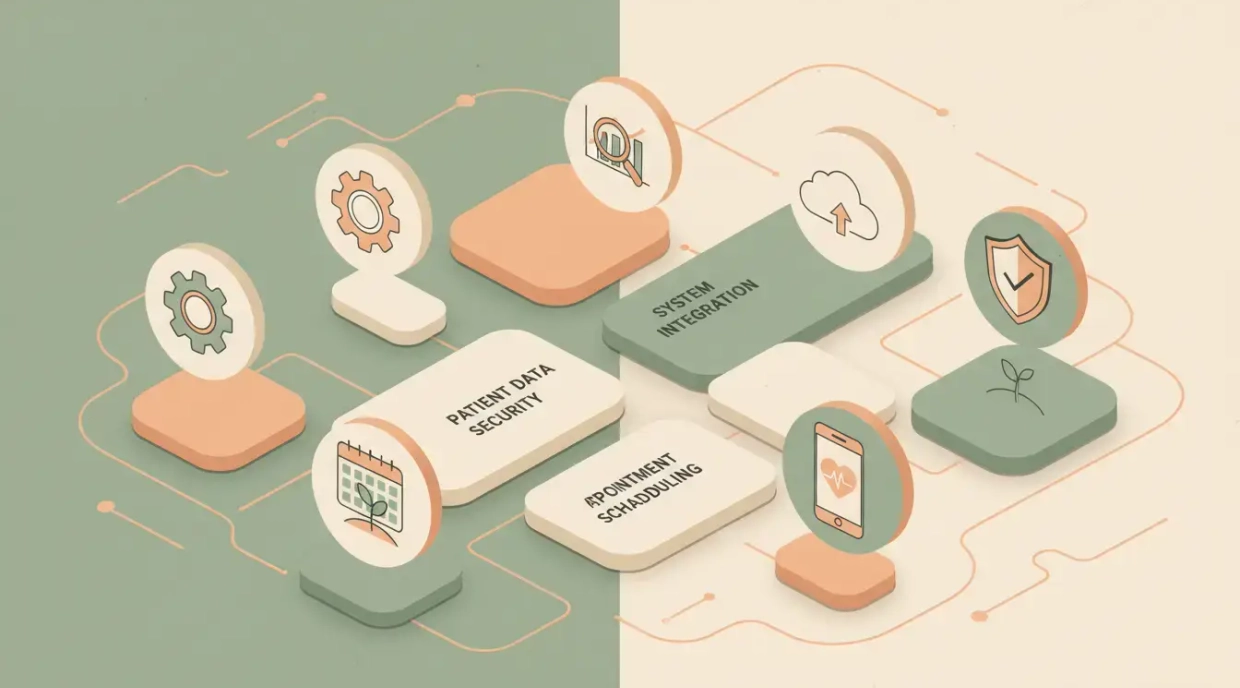
In the rapidly evolving landscape of healthcare, physiotherapy clinics face unique challenges. You are not just treating injuries; you are managing long-term rehabilitation plans, coordinating complex schedules, and handling intricate billing for multi-session packages. Are you still wrestling with paper charts, double-booking appointments, and chasing late payments? In an industry built on movement and recovery, being stuck with manual, disjointed systems is more than just frustrating—it's holding your practice back from growth and limiting the quality of care you can provide.
Manual processes create operational bottlenecks, lead to costly administrative errors, and result in a fragmented patient experience. The solution isn't to work harder, but to work smarter with the right technology. Modern physiotherapy practice management software is no longer a luxury; it is the operational backbone of a successful, patient-centric clinic. It serves as the central nervous system of your practice, connecting clinical documentation, patient communication, and financial management into one seamless flow.
By the end of this comprehensive guide, you'll understand the seven non-negotiable features that define top-tier clinic software in 2026. Implementing a system with these capabilities will transform your daily operations, boost your bottom line by plugging revenue leaks, and allow you to focus on what you do best: delivering exceptional patient care.
1. Comprehensive Patient Scheduling and Appointment Management
At the heart of every clinic's daily chaos is the schedule. A powerful clinic scheduling software does more than just display appointments; it orchestrates your entire patient flow, maximizes therapist utilization, and directly impacts revenue by minimizing gaps and no-shows. It needs to handle the nuance of physiotherapy bookings—differentiating between a 45-minute initial assessment and a 30-minute follow-up, or managing concurrent appointments for modalities like traction or IFT.
Appointment booking Systems
An Appointment booking system empowers your patients to schedule appointments 24/7 directly from your website or a dedicated mobile app. This convenience dramatically reduces the volume of phone calls and whatsapps your front desk handles, freeing staff for more valuable tasks.
For patients, it means instant confirmation and the ability to book outside of traditional clinic hours. For your clinic, it means a constant stream of bookings even when the office is closed. Crucially, a good system should integrate with your therapists' individual calendars in real-time. This prevents double-booking and allows patients to see availability for their preferred practitioner, which is essential for continuity of care in physiotherapy.
Waitlist and Cancellation Handling
Last-minute cancellations are a revenue killer. Advanced appointment management turns this problem into an opportunity with intelligent waitlist and cancellation handling.
When a patient cancels, the software can instantly notify the first person on a pre-defined waitlist for that time slot or therapist via SMS or WhatsApp. This automation fills what would have been empty, non-billable time. Furthermore, the system can track cancellation patterns, allowing you to identify chronic late-cancellers and implement policies, such as requiring a credit card to hold future appointments.
Practical Tips for Implementation:
- Visual Scheduling: Use a color-coded, drag-and-drop calendar view. Color-code by therapist, appointment type (initial assessment, follow-up, dry needling), or payment status for at-a-glance management.
- Buffer Times: Build in 5-10 minute buffers between appointments in the system settings. This allows for charting, sanitization, and prevents the entire day from cascading into delay if one session runs over.
- Automated Intake Forms: Link Appointment booking to digital intake forms. New patients can complete their health history and consent forms before they arrive, saving precious consultation time.
Common Mistake to Avoid: Don't just digitize a paper diary. The power lies in automation—setting rules for recurring appointments, automating reminder sequences, and using data to optimize your schedule template over time.
2. Electronic Health Records (EHR) and Digital Treatment Notes
Gone are the days of illegible handwriting and bulky filing cabinets. Electronic Health Records (EHR) are the secure, centralized digital hub for all patient information. This is more than a convenience; it's a critical tool for delivering consistent, high-quality care and ensuring compliance with healthcare regulations. In physiotherapy, where visualization is key, your EHR needs to support rich media—allowing you to upload x-rays, posture photos, and gait analysis videos directly to the patient's file.
Customizable Clinical Templates
Physiotherapy assessments are complex. A generic "notes" field isn't enough. Top-tier software provides customizable clinical templates for various body parts and conditions (e.g., Shoulder Assessment, Lumbar Spine Protocol, Neuro-Rehab Evaluation). These templates should include interactive body charts where you can draw pain patterns and sensory deficits. This not only speeds up documentation but ensures that every therapist in your clinic follows a standardized assessment protocol, improving clinical governance.
Data Security and Privacy
Patient trust is built on confidentiality. A robust EHR system prioritizes patient data management with enterprise-grade security. This includes data encryption both when stored (at rest) and when being sent (in transit). It also involves strict access controls, ensuring that only authorized personnel (e.g., the treating physiotherapist) can view sensitive records. A detailed audit trail logs every view and edit, providing transparency which is essential for medico-legal protection.
Interoperability with Other Systems
Your clinic doesn't operate in a vacuum. A patient may have MRI reports from a diagnostic center, bloodwork from a lab, or a referral letter from a surgeon. Interoperability means your EHR can seamlessly integrate with these external systems, either through direct connections or standardized file imports. This creates a holistic view of the patient's health journey, enabling better clinical decision-making.
Actionable Advice for Using EHRs:
- Utilize Templates & Macros: Create standardized templates for common conditions (e.g., Rotator Cuff Assessment, Lumbar Spine Evaluation). This ensures thorough, consistent documentation and saves enormous time.
- Link Notes to Goals: Don't just record what you did. Document subjective and objective findings directly linked to the patient's functional goals to demonstrate progress to insurers and patients alike.
- Enable Mobile Access: Choose a system that allows therapists to update treatment notes software via a tablet at the point of care. This improves accuracy and allows for real-time patient education using the digital charts.
3. Integrated Billing and Invoicing with Insurance Support
Financial management can consume a disproportionate amount of clinic resources. Disconnected billing leads to errors, delayed payments, and revenue leakage. Integrated physiotherapy billing software automates and streamlines the entire financial cycle within the same platform where you manage appointments and records, ensuring that every billable service is captured.
The core function is generating accurate, professional invoices directly from the scheduled appointment and services rendered. The system should automatically apply the correct fees, and handle multiple payment methods (cash, card, UPI, net banking). It should also support complex billing scenarios, such as split payments, family billing (one invoice for multiple family members), and advance payments held in a digital wallet.
For clinics that deal with insurance claims, manual submission is a slow, error-prone nightmare. Modern software can auto-generate claim forms with data pulled from the patient's record and the treatment note (diagnosis codes, procedure codes). It then electronically submits these claims to insurers and tracks their status. This accelerates reimbursements from weeks to days and drastically reduces administrative overhead.
Key Reporting for Financial Health:
- Aging Reports: Automatically track outstanding invoices and send polite, automated payment reminders via whatsapp or SMS.
- Revenue by Therapist/Service: Identify your most profitable services and which therapists are generating the most revenue.
- Insurance Claim Status Dashboard: Get a real-time view of all submitted claims, their status (pending, paid, denied), and the average turnaround time for each insurer.
| Feature | Manual Process Pain Point | Software Solution Benefit |
|---|---|---|
| Invoice Generation | Time-consuming manual entry, risk of typos on fee or patient details. | Auto-generated from appointment data. 100% accurate and professional. |
| Payment Tracking | Spreadsheets or paper ledgers are messy and hard to reconcile. | Real-time tracking within the system. Automatic matching of payments to invoices. |
| Insurance Claims | Manual form filling, postal delays, high rejection rates due to errors. | Electronic submission, built-in code validation, automated status tracking. |
| Financial Reporting | Takes hours to compile data from different sources at month-end. | Pre-built reports (P&L, revenue trends) available with one click, anytime. |
4. Automated Patient Reminders and Communication Tools
Patient no-shows and last-minute cancellations are a direct hit to clinic revenue and schedule efficiency. Proactive, automated communication is the most effective tool to combat this. Automated patient reminders via SMS and/or whatsapp significantly reduce no-show rates—studies consistently show reductions of 25-40%.
But modern clinic communication software goes beyond simple appointment reminders. It enables ongoing patient engagement throughout their treatment journey. This can include:
Using customizable templates saves immense time while ensuring brand-consistent, professional communication. This constant, helpful touchpoint builds stronger patient relationships, improves adherence to home programs, and turns satisfied patients into loyal advocates for your practice.
5. Package and Membership Management
Moving from transactional, per-session billing to offering structured package management software or membership plans for clinics is a proven strategy for physiotherapy practice growth. It improves cash flow, enhances patient commitment, and increases the lifetime value of each client.
Software should allow you to easily create and sell different packages (e.g., "Post-Surgical Knee Rehab: 10 Sessions," "Wellness Membership: 2 Sessions/Month"). The system then automatically tracks each patient's package usage, deducting sessions as they are booked and billed. It sends alerts when a package is running low or is about to expire, triggering a seamless renewal conversation.
This functionality also enables you to run targeted promotions. For example, offer a discount on a "Back Pain Relief Package" during a health awareness month, or provide a loyalty discount for patients who purchase a new package before their current one ends. By integrating directly with your billing system, all financials are handled automatically, from collecting upfront payment for a package to reconciling each used session.
6. Advanced Reporting and Analytics
Your software holds a goldmine of data about your business. Advanced reporting and analytics software transforms this raw data into actionable clinic management insights, empowering you to make strategic, data-driven decisions.
Beyond basic financial reports, look for analytics that answer critical business questions:
- Clinical Effectiveness: What are the average outcomes (e.g., reduction in pain scores, functional improvement) for patients with specific conditions? Which treatment protocols are most effective?
- Operational Efficiency: What is your average appointment fill rate? What are the peak days and times? What is your therapist utilization rate?
- Business Growth: Where are your new patients coming from (referral source tracking)? What is your patient retention rate? What are your revenue trends month-over-month and year-over-year?
A dashboard that displays Key Performance Indicators (KPIs) in real-time—like daily revenue, upcoming appointments, and outstanding invoices—gives you a pulse on your practice the moment you log in. Customizable reports allow you to drill down into the specifics you need, whether for internal review, partner meetings, or compliance reporting.
7. Seamless Integration with Other Healthcare Systems
The best practice management software doesn't try to do everything; it does its core job excellently and connects seamlessly to other best-in-class tools. Seamless healthcare software integration creates a unified, efficient ecosystem.
This often means EMR integration with hospital or specialist systems for receiving referrals and sharing discharge summaries. It could mean connecting to telemedicine platforms for virtual consultations, to accounting software like Tally or QuickBooks for streamlined bookkeeping, or to payment gateways for smooth transactions.
This connectivity is frequently achieved through APIs (Application Programming Interfaces), which allow different software systems to talk to each other securely. The result is a cohesive workflow: a patient books online (Feature 1), their record is pulled up for the session (Feature 2), the treatment note is logged (Feature 2), an invoice is automatically generated and sent (Feature 3), and the payment is recorded directly in your accounting software—all without manual data re-entry. This eliminates information silos, reduces errors, and provides a seamless experience for both staff and patients.
Key Takeaways and Next Steps
Implementing modern physiotherapy software with these seven essential features is a strategic investment that pays dividends in saved time, reduced stress, improved patient outcomes, and accelerated practice growth. It shifts your focus from administrative fire-fighting to proactive practice management and superior patient care.
The core benefits are clear:
- Operational Efficiency: Automate scheduling, billing, and communication to free up staff and therapist time.
- Enhanced Patient Experience: Offer Appointment booking, seamless communication, and coordinated care.
- Informed Decision-Making: Use data analytics to guide business strategy and treatment protocols.
- Financial Health: Improve cash flow with automated invoicing, insurance processing, and package management.
Ready to upgrade your practice? Trying to patch together disparate tools is a complex and costly endeavor. You need a unified solution designed specifically for the needs of rehabilitation practices.
PhysioCare PMS offers a complete physiotherapy practice management software trusted by 1000+ clinics across India. It consolidates most of the essential features—from intelligent scheduling and secure EHRs to integrated billing, automated reminders, package management, powerful analytics, and robust integrations—into one simple, intuitive platform.
Stop letting manual processes limit your potential. Choose a complete clinic management solution that handles scheduling, treatment notes, invoices, packages, and automated reminders—everything your practice needs to grow efficiently and deliver exceptional care.
Start Your Free Trial NowRelated Workflows & Further Reading
Recent Posts
