Best Practices for Managing Multi-Location Physiotherapy Practices with Software
Best Multi-Location Physio Practice Management Software Tips
Imagine juggling patient schedules, treatment notes, and invoices across multiple physiotherapy clinics without a centralized system. A patient from your south branch calls to reschedule, but the front desk can’t see the therapist’s availability at the north location. A crucial treatment note from last week’s session is locked in a paper file at another clinic, delaying today’s care plan. This chaotic, fragmented reality is the daily struggle for many growing physiotherapy, chiropractic, and osteopathy practices trying to scale.
The inefficiencies, communication gaps, and data silos inherent in managing multi-location practices don’t just cause headaches—they erode patient trust, drain revenue, and stifle growth. The transition from a single, manageable clinic to a multi-site operation is a critical juncture where the right systems determine success or stagnation.
This guide cuts through the complexity. You will learn the definitive best practices, understand the non-negotiable software features, and discover actionable implementation strategies to transform your multi-location setup from a logistical challenge into a streamlined, scalable, and highly efficient practice. We’ll move beyond theory into the practical steps that enhance patient care, boost staff morale, and support sustainable growth.
The Challenges of Scaling Physiotherapy Practices Across Multiple Locations
Expanding your practice to a second, third, or fourth location is an exciting milestone. It signifies success, growing demand, and the opportunity to help more patients. However, this growth phase often unveils a suite of operational challenges that single-location clinics rarely face. Without a unified management system, what should be a strength—multiple points of care—can quickly become a web of operational inefficiencies that threaten your practice's foundation.
The core issue is fragmentation. When each location operates on its own isolated set of processes, tools, and data repositories, you lose the synergy that makes a multi-location practice powerful. Instead of one cohesive business, you’re managing several small ones, multiplying your administrative burden and introducing risk.
Communication Barriers
At the heart of many multi-location issues lies broken communication. Without integrated systems, information travels slowly, inaccurately, or not at all between sites. A therapist at one clinic may have a sudden opening due to a cancellation, but if the scheduling system isn’t shared in real-time, front-desk staff at another location cannot offer that slot to a waiting patient. This leads to lost revenue and longer patient wait times.
More critically, consider patient care continuity. A patient might visit different branches based on convenience. If their treatment notes, progress reports, and prescribed home exercises are not instantly accessible to any therapist at any location, the quality of care suffers. A therapist wastes valuable session time reconstructing history instead of building on it. This lack of an integrated system can lead to miscommunications about treatment plans, missed follow-ups, and a disjointed patient experience that undermines clinical outcomes and patient loyalty.
Data Management Issues
Fragmented data is a silent practice killer. When patient records, financial data, and inventory lists are stored in different software—or worse, in filing cabinets—at each location, you have no single source of truth. This creates significant risks. Fragmented patient records mean a clinician is never fully informed, potentially affecting treatment safety and efficacy. Inconsistent data across locations makes accurate reporting impossible. How can you track the overall practice's performance, identify your most profitable services, or understand patient demographics if the data is siloed?
These data silos also create massive administrative overhead. Generating a simple financial report for the entire practice might require manually combining spreadsheets from three different locations, a process prone to error and wasted hours. This increased administrative burden directly affects clinic growth and profitability, diverting resources from patient care and strategic initiatives to manual data wrangling.
Key challenges include:
- Disjointed scheduling and billing processes that cause double-bookings, missed payments, and billing errors.
- Communication gaps between staff at different locations, leading to errors in patient instructions, referral handling, and resource allocation.
- Data silos that prevent a holistic view of patient care, hinder consistent treatment protocols, and make compliance reporting a nightmare.
- An increased administrative burden that consumes time better spent on patient care or business development, ultimately capping your practice's growth potential.
Essential Features of Physiotherapy Practice Management Software
To overcome the challenges of a multi-location setup, your practice management software must act as the central nervous system for your entire operation. It’s not merely a digital appointment book; it’s the platform that unifies your people, processes, and data. The right software transforms isolated clinics into a cohesive network. Let’s break down the essential tools and software capabilities you cannot afford to compromise on.
The foundation of effective multi-location management is centralization with controlled localization. The system must provide a unified database that every location accesses, while allowing for location-specific settings like operating hours, local staff logins, and branch-specific fee schedules. This ensures consistency in patient care and business intelligence without stifling local operational needs.
Scheduling and Appointment Management
A robust scheduling module is the most visible and critical feature. It must enable real-time, centralized booking. This means any authorized staff member, at any location, can view and manage appointments across all clinics. This eliminates double-booking therapists who work across branches and allows you to fill cancellations at one location with patients from another, optimizing therapist utilization and reducing patient wait times.
The system should also automate the patient communication loop. Automated reminders via SMS and email drastically reduce no-show rates. Features like online booking portals allow patients to self-schedule based on real-time availability, easing the front-desk load. Calendar synchronization with therapist calendars ensures everyone is aligned. Look for capabilities like color-coding by location, therapist, or service type, waitlist management, and recurring appointment patterns for treatment packages.
Billing and Invoicing
Financial management cannot be an afterthought. Your software needs to automate the entire revenue cycle. Automated invoicing should generate bills directly from completed appointments or treatment packages, applying the correct fee schedule based on the patient’s insurance or package plan. For multi-location practices, it’s crucial that the software can track revenue and outstanding payments by location, therapist, and service type.
Package management is particularly important for physiotherapy. The software should allow you to create and sell session packages, automatically deducting a session upon checkout and tracking the remaining balance. Integrated payment processing enables you to collect payments (card, UPI, cash) on the spot, update records in real-time, and issue digital receipts. This eliminates errors from manual data entry, speeds up the checkout process, and gives you an accurate, real-time view of your practice’s financial health across all locations.
Core features to demand include:
- Centralized scheduling with conflict checking across all locations and staff.
- Automated billing, invoicing, and payment processing to ensure accuracy and speed.
- Secure, centralized patient records (SOAP notes, medical history, exercise plans) instantly accessible to authorized clinicians at any clinic.
- Comprehensive reporting and analytics tools to track KPIs like appointment density, revenue per location, therapist productivity, and patient outcomes.
- Integration capabilities with other systems, such as accounting software (e.g., Tally), diagnostic devices, or telemedicine platforms, to create a seamless digital ecosystem.
Best Practices for Implementing Software in Multi-Location Setups
Choosing the right software is only half the battle. A poor implementation can doom even the best platform to failure, causing frustration, data loss, and resistance from your team. A successful rollout in a multi-location setup requires meticulous planning and preparation, a focus on people, and a commitment to standardization. This phased approach ensures you reap the software benefits without disrupting patient care.
Think of implementation as a clinical protocol for your practice’s health. You wouldn’t start a complex rehabilitation without an assessment and a plan; don’t launch new software without one either. The goal is a smooth transition that feels like an upgrade, not an upheaval.
Planning and Preparation
The first step is a candid needs assessment. Involve key stakeholders from each location—front desk staff, senior physiotherapists, practice managers, and billing administrators. What are their daily pain points? What tasks consume disproportionate time? This grassroots feedback ensures the software solves real problems.
Next, set clear, measurable goals. Are you aiming to reduce administrative time by 15%? Cut no-show rates by 20%? Improve claim rejection rates? Define what success looks like. Then, create a detailed project plan with timelines, assigned responsibilities, and resource allocation. A critical part of this phase is data migration. Work with your vendor to develop a secure strategy for cleaning, formatting, and transferring existing patient records, financial data, and schedule information. Always ensure a complete backup is verified before migration begins.
Training Staff
Software is only as effective as the people using it. Comprehensive training is non-negotiable. Avoid a one-size-fits-all approach. Front-desk staff need deep training on scheduling, check-in, and billing modules. Therapists need focused sessions on digital SOAP note templates, exercise prescription libraries, and accessing patient history. Practice owners need to understand reporting dashboards.
Use a mix of methods: live group training sessions via video call for all locations, recorded video tutorials for future reference, and detailed, role-specific user guides. Consider appointing a "super-user" at each location—a tech-savvy staff member who receives advanced training and can provide peer support. The training should emphasize the "why" behind the change, showing staff how the software will make their jobs easier and improve patient care, not just add a new step.
Actionable steps for a smooth rollout:
- Develop a clear implementation plan with phased go-live dates, perhaps starting with one pilot location.
- Provide layered, role-based training with ample resources for ongoing learning.
- Standardize core processes (e.g., note-taking format, billing codes, booking protocols) across all locations before launch to ensure consistency in the new system.
- Execute secure data migration with a verified backup and a parallel testing period where old and new systems run side-by-side.
- Establish clear support channels, both from the software vendor and internally, to address questions and feedback quickly post-launch.
How to Choose the Right Software for Your Multi-Location Practice
The market is full of options, from generic scheduling tools to specialized healthcare platforms. Selecting the best physio software for multiple locations requires a disciplined evaluation against your practice's unique needs and future ambitions. This decision is a strategic investment, not just an IT purchase. The right choice will fuel your growth for years; the wrong one will create new problems.
Your software selection criteria must balance immediate functionality with long-term scalability. It’s not just about managing three locations today, but about seamlessly adding a fourth or fifth tomorrow. The evaluation process should be thorough, involving hands-on testing and tough questions for potential vendors.
Key Selection Criteria
Start with the non-negotiables: security and compliance. Patient health information is sensitive. Ensure the software is compliant with relevant data protection regulations and offers robust security features like data encryption, access controls, and audit trails. Ease of use is equally critical. An intuitive, clean interface reduces training time and increases adoption. If the software is cumbersome, staff will resist it or develop problematic workarounds.
Mobile accessibility is essential for modern practice. Therapists should be able to update notes on a tablet between patients, and practice owners should check daily reports from their phone. Scalability means the software can handle an increasing number of patients, locations, and users without performance lags or exorbitant cost jumps. Also, consider customization options—can you tailor assessment forms, invoice templates, and reminder messages to match your brand and workflows?
Evaluating Vendors
Once you have a shortlist based on features, evaluate the vendors themselves. Comparing features on a spreadsheet is useful, but it doesn’t tell the whole story. Pricing must be transparent. Understand the total cost of ownership: are there upfront license fees, per-user monthly subscriptions, charges for support, or transaction fees for payment processing? Beware of hidden costs.
Customer service is paramount. What are their support hours? Is support available via phone, chat, and email? Ask for references or user testimonials from other multi-location physiotherapy practices. Most importantly, test the software yourself. Take advantage of demos or free trials. Have your front-desk manager run through a day of bookings and checkouts. Ask a therapist to document a mock patient session. This hands-on testing is the only way to truly assess usability and fit with your existing workflows.
Your evaluation checklist should include:
- Assessing specific needs based on your practice size, specialties (sports rehab, geriatric care, etc.), and 3-5 year growth plans.
- Evaluating technical factors like uptime guarantees, browser/device compatibility, and the quality of API documentation for future integrations.
- Considering total cost, including implementation, training, subscription, and any per-transaction fees.
- Reviewing vendor stability, their roadmap for future updates, and the quality of their training and onboarding materials.
- Conducting a rigorous pilot test with a small team to validate the software in a real-world clinic environment before committing.
Real-World Benefits and Success Stories
Theory and features lists are compelling, but nothing proves value like tangible results from practices like yours. Implementing a unified physiotherapy practice management software isn’t an expense; it’s an investment that delivers a measurable return by solving the core multi-location management challenges. The benefits extend from the back office to the treatment table.
Clinics that make this leap successfully report a transformation in their operational culture. The focus shifts from managing chaos to pursuing growth. They experience enhanced patient satisfaction through streamlined booking, shorter wait times, personalized care based on complete histories, and professional automated communication. For the practice, scalability becomes a reality, enabling expansion to new locations without replicating administrative headaches.
Case Study: A Multi-Location Clinic
Consider "Metro Rehab," a fictionalized composite based on common success stories from clinics using integrated software. Metro Rehab had three locations across a major city, each using a different mix of paper files, standalone calendars, and basic billing software. Their problems were classic: therapists at one location couldn’t access notes from another, leading to repetitive patient assessments. Double-bookings were common for therapists covering multiple sites. Monthly financial consolidation took the practice manager 3 full days of manual work.
They implemented a cloud-based practice management solution with centralized scheduling, digital clinical notes, and automated billing. During implementation, they standardized their assessment forms and billing codes across all locations. They trained "champions" at each site. Within 90 days of full rollout, the changes were dramatic. Front-desk staff reported feeling in control of the schedule for the first time. Therapists praised the ability to review a patient’s full history instantly, regardless of where they were treated previously.
Measurable Improvements
The numbers told the definitive story. Metro Rehab tracked key metrics before and after implementation:
- Administrative Time: The time spent on scheduling, billing, and reporting across the practice dropped by an estimated 40 hours per week. This freed up staff for patient engagement and other value-added tasks.
- Error Rates: Billing errors and insurance claim rejections due to incorrect codes or missing information fell by over 60%, accelerating revenue cycles.
- Patient Outcomes: With complete historical data at their fingertips, therapists reported being able to make more informed clinical decisions more quickly. While harder to quantify, they saw improved patient adherence to home exercise programs, facilitated by the software’s ability to easily print or email prescribed exercises.
- Growth Enablement: When they opened a fourth location 18 months later, the new clinic was operational on the software from day one. All administrative processes were already defined, and staff training was streamlined using existing resources. The operational "hiccups" that plagued their earlier expansions were virtually non-existent.
These success stories highlight that the right software is the engine of efficient, patient-centric, and scalable growth.
Conclusion
Managing a multi-location physiotherapy, chiropractic, or osteopathy practice is a complex endeavor, but it doesn’t have to be an inefficient one. The journey from fragmented, error-prone manual processes to streamlined, data-driven operations hinges on one critical decision: implementing the right practice management software.
The key takeaway is clear: A unified software system is not merely a convenience; it is the essential infrastructure that overcomes communication barriers, eliminates data silos, automates administrative burdens, and ensures consistent, high-quality patient care across every location you operate. It transforms the challenges of scaling into opportunities for growth.
By following the best practices for selection and implementation outlined here—focusing on centralization, staff training, and process standardization—you can unlock measurable improvements in efficiency, revenue, and patient satisfaction. The goal is to spend less time managing your practice and more time growing it and caring for your patients.
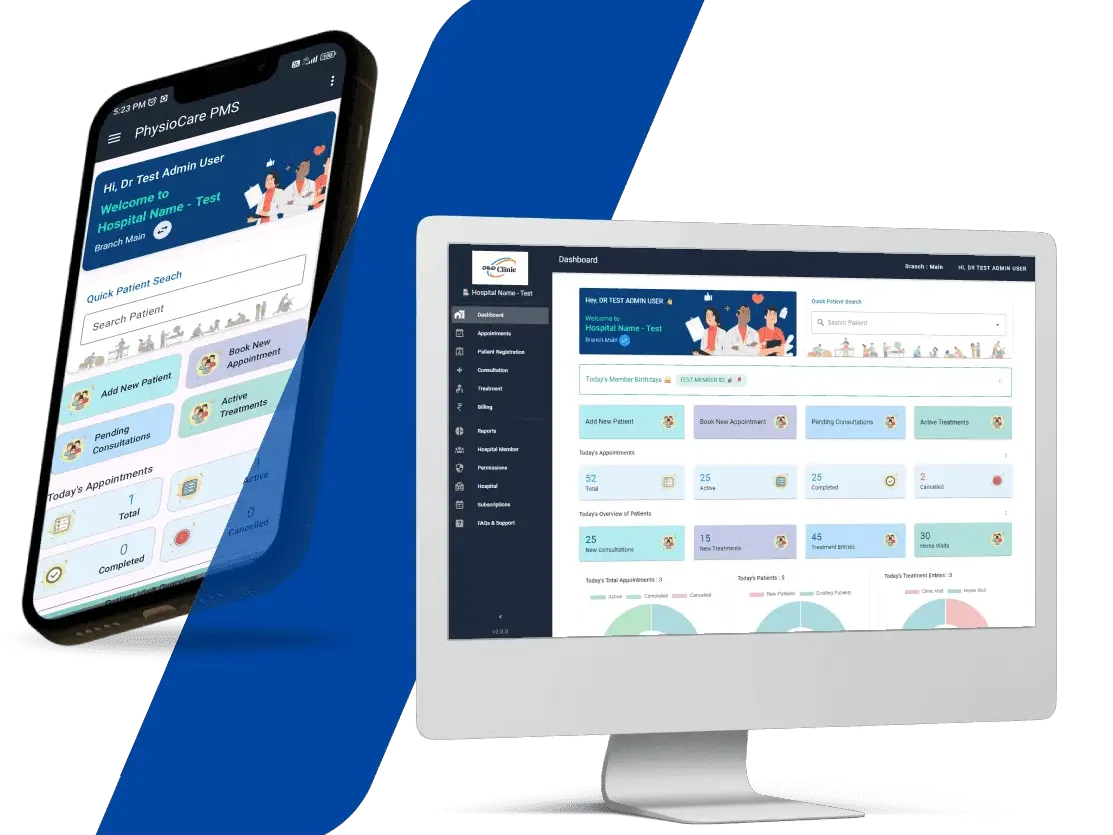
Discover how a trusted software solution can streamline your multi-location practice. A system designed for the specific needs of therapy clinics can handle scheduling, treatment notes, invoices, packages, and automated reminders—everything your practice needs to grow cohesively.
See how unified practice management works in action