Effective Training Strategies for Physiotherapy Software in Multiclinic Environments: Insights from Iraq and Laos
Physiotherapy Management Software Training for Multiclinics
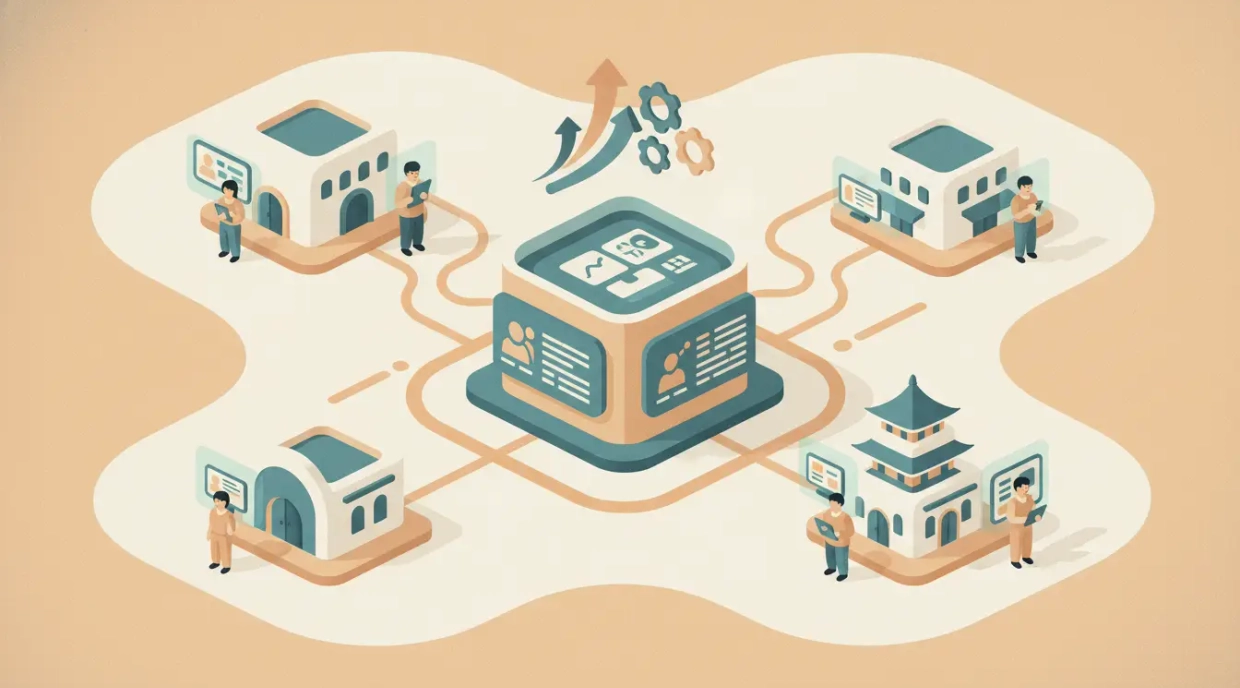
Physiotherapy Management Software Training for Multiclinics
You’ve invested in sophisticated physiotherapy management software for your multiclinic practice. The promise is there: streamlined schedules, flawless documentation, better patient outcomes. But the reality in many clinics is a different story—underused features, frustrated staff, and a system that’s more of a burden than a benefit. The missing link between potential and performance isn't the software itself; it’s the training. This blog cuts through the noise to provide a definitive guide on building effective, scalable training programs that ensure your software investment delivers real value across every clinic in your network.
The Critical Role of Training in Multiclinic Software Success
Implementing new software without a robust training plan is like giving someone a high-performance car without driving lessons. It’s not just inefficient—it’s dangerous for your clinic’s health. Effective training is the catalyst that transforms a static tool into a dynamic asset for growth.
Why effective training is essential for high software adoption rates. Software adoption is fundamentally a human challenge, not a technological one. When staff are not properly trained, they default to familiar, often manual, processes. This creates data silos, inconsistency between clinics, and renders your expensive software redundant. A high adoption rate, driven by comprehensive training, ensures every module—from scheduling to billing—is used as intended, creating a unified operational workflow. For multiclinics, this consistency is non-negotiable; it’s what allows you to compare performance, share resources, and maintain a single standard of care.
Impact of proper training on clinic efficiency, patient satisfaction, and revenue growth. The connection is direct. Well-trained staff use software efficiently, reducing the time spent on administrative tasks by up to 30%. This means less time on the phone scheduling and more time delivering patient care. For the patient, this translates to smoother appointment bookings, accurate and shared treatment notes if they visit different branches, and timely automated reminders for follow-ups, all of which boost satisfaction and retention. Financially, efficient scheduling reduces no-shows, accurate documentation ensures clean claims and faster reimbursements, and effective package management improves revenue visibility. The training adoption rates directly influence your bottom line.
Common pitfalls and misconceptions about software training in healthcare settings. Many clinic owners fall into the trap of "one-and-done" training—a single session at launch. They underestimate the need for ongoing support. Another major misconception is that software is intuitive enough to forego formal training, or that younger staff will "figure it out." This leads to inconsistent use and critical errors. The biggest pitfall is treating training as a cost center rather than a strategic investment in clinic efficiency and staff capability.
Enhancing Patient Care Through Proper Training
At its heart, your software is a patient care tool. Proper training empowers your team to leverage it as such. For instance, a therapist trained to use templated treatment notes can document a session accurately in minutes instead of half an hour, capturing crucial details about pain scales, exercises prescribed, and progress. This detailed record is instantly available for the next therapist the patient sees, even at a different location, ensuring continuity of care.
Streamlined scheduling modules prevent double-booking and optimize therapist calendars, reducing patient wait times. Training admin staff to use automated SMS or email reminders cuts down no-show rates significantly, ensuring patients adhere to their treatment plans. Furthermore, trained staff can use the software’s reporting features to identify patients due for a follow-up or review, proactively reaching out to prevent relapse. This shift from reactive to proactive care, enabled by skilled use of management software, is where the true enhancement of patient outcomes lies.
Overcoming Training Challenges in Physiotherapy Clinics
Implementing a standardized training program across multiple clinics is fraught with unique obstacles. Recognizing these training challenges is the first step to building a resilient strategy that works for every location and every member of your team.
The primary barriers are universal: staff resistance to change, perceived time constraints for training, and budget limitations. In a busy clinic, pulling a therapist off the floor for training feels like a direct loss of revenue. There’s also the challenge of varying tech-savviness; a seasoned physiotherapist may be less comfortable with new software than a recent graduate. For multiclinics, these issues are magnified by geographical dispersion and logistical complexity.
Addressing language and cultural differences in diverse multiclinic setups. This is a critical, often overlooked, layer. A training manual written in English may not be effective for all staff in regions like Iraq or Laos. Beyond language, cultural attitudes towards authority, feedback, and digital tools can vary. A directive, top-down training style might work in one culture but create resistance in another. Successful programs adapt their delivery, using local language resources, incorporating region-specific patient scenarios, and respecting local communication norms.
Strategies to manage training across geographically dispersed locations. Consistency is key. This requires centralizing control of the training curriculum while allowing for local delivery. Utilizing a cloud-based Learning Management System (LMS) ensures every clinic accesses the same core materials. Scheduling "train-the-trainer" sessions for clinic leads creates local champions who can provide on-the-ground support and context.
Addressing Staff Resistance
Resistance is natural; it’s a response to the uncertainty of change. The solution is not to mandate, but to engage and motivate. Start by involving key staff from different clinics in the planning process. Their input on pain points and desired features makes them stakeholders, not just recipients.
Clearly communicate the "What's In It For Me" (WIIFM) for each role. Show therapists how the software will save them time on notes and allow better tracking of patient progress. Show administrators how it will simplify billing and reduce phone call chaos. Use pilot groups in one clinic to create success stories and testimonials that can be shared with other locations, building internal advocacy.
Managing Training Across Different Locations
Standardization doesn’t mean rigidity. Create a core set of digital training modules—videos, interactive guides, and quizzes—hosted on a central LMS. This ensures every employee, from Erbil to Vientiane, receives the same foundational knowledge. However, supplement this with localized live sessions, either virtual or in-person, to address clinic-specific workflows and questions.
Leverage technology for consistency. Use video conferencing for live Q&A sessions with experts. Employ screen-sharing software for remote, one-on-one support. Create a dedicated channel on a communication platform like Slack or Teams where staff from all clinics can ask questions and share tips, fostering a community of learning that transcends physical borders. This approach directly tackles multiclinic training issues by blending global standards with local support.
Effective Training Strategies for Multiclinic Environments
A single training method will fail in a diverse, multiclinic environment. Therapists, receptionists, and managers have different needs, schedules, and learning preferences. An effective strategy is multifaceted, flexible, and continuous.
- Developing step-by-step training modules tailored to different clinic roles. A therapist doesn’t need to know the intricacies of generating a financial report, and an admin doesn’t need deep training on SOAP note templates. Role-based segmentation is crucial. Create distinct learning paths: one for clinical staff focusing on patient management, treatment plans, and clinical notes; another for administrative staff covering scheduling, billing, and communication; and a third for managers and owners on analytics, reporting, and multi-location oversight.
- Implementing role-based training for therapists, admins, and managers. For example, a therapist's module might start with logging in, searching for a patient, and creating a new treatment note. An admin's module would begin with booking a new appointment, processing a payment, and sending a reminder. This relevance increases engagement and retention, as staff are not wasting time on irrelevant functions.
- Ensuring continuous learning through ongoing support and refresher courses. Training doesn’t end after go-live. Schedule quarterly 30-minute refresher webinars on underused features. Create a library of "quick tip" videos (2-3 minutes each) addressing common problems. Appoint "Software Champions" in each clinic—super-users who receive advanced training and can provide peer-to-peer support. This builds a sustainable culture of learning and adaptation.
Blended Learning Approaches
The blended learning model is particularly powerful for multiclinics. It combines the scalability of asynchronous online learning with the engagement of synchronous, interactive sessions.
- Asynchronous E-Learning: Deploy core training modules on an LMS. Staff can complete these at their own pace, during downtime between patients or at the start/end of their shift. This is essential for covering foundational knowledge across different time zones and work schedules.
- Synchronous Live Sessions: Conduct live virtual workshops via Zoom or Teams for interactive training. These sessions are perfect for Q&A, demonstrating complex workflows, and building team cohesion. Record these sessions so they can be accessed later by those who couldn’t attend.
- Practical In-Person Drills: Where possible, supplement with hands-on sessions. Have staff run through real-world scenarios using test patient data. This "learn by doing" approach solidifies theoretical knowledge and builds confidence.
This approach caters to visual, auditory, and kinesthetic learners, ensuring no one is left behind due to their learning style.
Customizing Training for Different Roles
A one-size-fits-all training manual is a recipe for disengagement. Customizing training involves creating targeted content that speaks directly to an employee’s daily tasks.
For a physiotherapist, training should simulate a patient journey: "Mrs. Chen is coming for her third session for lower back pain. Let's see how you would access her history, document today's assessment, update her home exercise program, and schedule her next appointment." This contextual learning is immediately applicable.
For a clinic administrator, a scenario might be: "A new patient, Mr. Al-Mousawi, calls to book an appointment. He has a physician referral and wants to use insurance. Walk through the steps to create his profile, schedule the session, attach the referral document, and set up his billing." This makes the training relevant and practical, directly linking software functions to job performance.
Insights from Iraq and Laos: Real-World Case Studies
Global strategies must be grounded in local reality. Examining case studies training from diverse regions like Iraq and Laos provides invaluable, adaptable lessons for any multiclinic group.
Overview of healthcare and software adoption trends. In both Iraq and Laos, the healthcare sector is rapidly modernizing, with a growing emphasis on private physiotherapy clinics offering specialized care. Digital adoption is accelerating, but often faces hurdles like intermittent internet connectivity, varying levels of digital literacy, and a strong preference for personal interaction over digital processes.
Case Study: Implementing Software in Iraq
A group of three physiotherapy clinics in Erbil, Iraq, faced classic multiclinic training issues: inconsistent patient records between branches, scheduling conflicts, and time-consuming manual billing.
Challenges Faced:
- Staff Resistance: Senior therapists were accustomed to paper notes.
- Logistical Hurdles: Coordinating training across three busy locations.
- Cultural Context: A preference for direct, authoritative instruction.
Solutions Applied:
- Local Champion: The group identified a tech-savvy, respected lead therapist in each clinic to become the "Super User."
- Phased Roll-out: They implemented the software in one clinic first, creating a success story.
- Hybrid Training: Core Arabic-language video modules were provided online. This was followed by in-person, half-day workshops led by the local Super User, focusing on practical, common scenarios.
- Incentivization: Staff who completed training and achieved 95%+ accuracy in using the software for notes and scheduling received a small bonus.
Resulting Improvements: Within three months, the clinics reported a 40% reduction in time spent on administrative tasks, a 25% decrease in patient no-shows due to automated Arabic SMS reminders, and complete standardization of treatment notes across all locations. The Iraq physiotherapy software implementation became a model for other practices.
Case Study: Training Strategies in Laotian Clinics
A dual-clinic practice in Vientiane, Laos, struggled with training challenges related to language and limited prior exposure to complex software.
Challenges Faced:
- Language Barrier: While some staff understood English, proficiency levels varied widely.
- Learning Curve: The concept of digital patient management was entirely new.
- Resource Constraints: Limited budget for extensive external training consultants.
Solutions Applied:
- Fully Localized Materials: All training guides, video voiceovers, and software interface labels were translated into Lao.
- Peer-to-Peer Learning: Instead of formal instructor-led sessions, they used a "buddy system." A more confident user was paired with a less confident one for two weeks.
- Gamification: They created simple, clinic-wide competitions, e.g., "Which admin can book the most appointments using the software this week?", with small prizes.
- Continuous, Micro-Training: Instead of long sessions, the manager held daily 10-minute huddles to address one specific software function or solve a common problem.
Results and Best Practices: Software adoption soared because training was accessible, non-threatening, and integrated into daily work. The clinics achieved near-perfect digital record-keeping within two months. The key lesson for Laos clinic management was that simplicity, cultural adaptation, and continuous, small-scale support trump expensive, complex training programs.
Tools and Metrics for Training Success
To ensure your training program is effective, you must measure it. Moving from guesswork to data-driven decisions is what separates successful implementations from failed ones.
Essential tools for delivering training. The backbone of modern multiclinic training is a Learning Management System (LMS). Platforms like LearnDash, TalentLMS, or even a dedicated section in your project management tool allow you to host videos, PDFs, quizzes, and track completion. Supplement this with:
- Screen Recording Software (Loom, Screencast-O-Matic): For creating quick, personalized tutorial videos.
- Interactive Guides (WalkMe, Userlane): Provide in-software guidance and tips.
- Communication Platforms (Slack, Microsoft Teams): Dedicated channels for instant support and knowledge sharing.
Key performance indicators (KPIs) to measure training effectiveness. Track these metrics rigorously:
| KPI | What It Measures | Target |
|---|---|---|
| Training Completion Rate | Percentage of staff who finish core modules. | 100% |
| Time to Proficiency | Average time for a staff member to perform core tasks without assistance. | Reduce by 50% post-training. |
| Software Usage Analytics | Frequency of logins, modules accessed, and features used. | Consistent or increasing use across all clinics. |
| Support Ticket Volume | Number of "how-to" queries. Should drop after effective training. | Significant reduction post-training. |
| User Satisfaction Score | Feedback from staff on training clarity and usefulness. | 4.5/5 or higher. |
Calculating ROI of training investments. This moves the conversation from cost to value. Track:
- Time Saved: If administrative tasks now take 5 fewer hours per week per clinic, calculate the value of that time.
- Error Reduction: Quantify reductions in billing errors, scheduling mistakes, or incomplete documentation.
- Revenue Protection/Increase: Link reduced no-shows (from automated reminders) and faster billing cycles to direct cash flow improvements.
Using Analytics to Track Progress
Your physiotherapy management software itself is a rich source of training tools data. Use its built-in analytics to monitor training success. For example, if you see that the "package management" module is rarely used in a particular clinic, it’s a clear signal that retraining is needed for that function. If appointment cancellation rates are higher in one location, investigate whether staff are properly trained on the reminder system. Analytics allow you to move from blanket retraining to surgical, targeted interventions, ensuring your training resources are used where they are needed most.
Conclusion
The journey to mastering physiotherapy management software across multiple clinics begins and ends with people, not pixels. Effective training is fundamental to unlocking the full potential of your software investment, leading to enhanced efficiency, better patient care, and scalable growth. It’s the strategic process that bridges the gap between purchasing a tool and achieving a transformation in how your practice operates.
The strategies outlined—from overcoming resistance and blending learning methods to learning from global case studies and measuring your results—provide a actionable blueprint. Success lies in committing to training as an ongoing, core operational activity, not a one-time event.
Streamline your clinic operations with proven training strategies. Explore our comprehensive, intuitive physiotherapy practice management software and paired training solutions designed specifically for the complexities of multiclinic environments. Get started today by booking a demo to see how a system built for simplicity can power your practice's growth.
Efficient Software for Multiclinic Networks
Further reading
Recent Posts
