Future of Physiotherapy Tech: Innovations in Software for Clinics in Thailand and the Philippines
Innovative Physio Software: The Essential Guide for Thai & Filipino Clinics
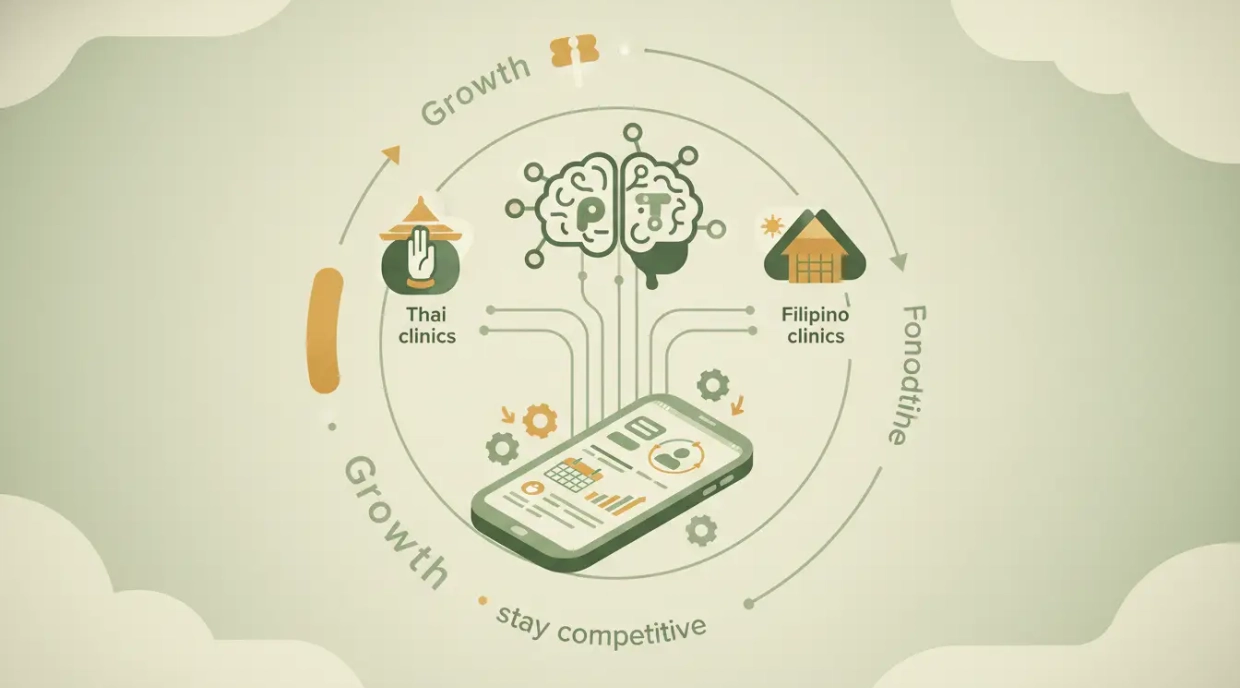
Innovative Physio Software: The Essential Guide for Thai & Filipino Clinics
In the fast-evolving healthcare landscape of Southeast Asia, physiotherapy clinics in Thailand and the Philippines are at a crossroads. On one side, patient demand is rising, fueled by an aging population and greater awareness of musculoskeletal health. On the other, clinics are buckling under the weight of inefficient manual processes, fragmented systems, and administrative chaos that steals time from patient care. The problem is clear: relying on paper files, spreadsheets, and memory for scheduling, billing, and treatment notes is no longer sustainable. It leads to missed appointments, billing errors, poor patient retention, and ultimately, stunted clinic growth. This guide cuts through the noise to explore the latest innovations, essential software features, and top solutions that can transform your clinic’s management. You’ll learn how the right practice management software can turn administrative burdens into streamlined operations, allowing you to focus on what you do best—delivering superior patient care and driving success in a competitive regional market.
The Current State of Physiotherapy Clinics in Thailand and the Philippines
The healthcare infrastructure across Southeast Asia is developing at a rapid pace, yet physiotherapy clinics often face a unique set of challenges that lag behind this growth. In both Thailand and the Philippines, there is a significant and growing demand for rehabilitative care, driven by factors like increased sports participation, chronic lifestyle diseases, and post-operative recovery needs. However, many clinics operate with systems better suited to a decade ago, grappling with clinic management issues that hinder their potential. Common pain points include manual appointment scheduling that leads to double-bookings or empty slots, disorganized patient records that slow down treatment, and tedious, error-prone billing and invoicing systems. These inefficiencies directly impact revenue, patient satisfaction, and clinician burnout.
The digital transformation in healthcare presents a pivotal opportunity. Clinics that adopt integrated software solutions report dramatic improvements: reducing administrative workload by up to 50%, cutting no-show rates with automated reminders, and gaining valuable insights into practice performance through analytics. However, the path to adoption is not uniform and is heavily influenced by regional differences in regulations, technology access, and healthcare funding models.
Specific Challenges in Thailand
Clinics in Thailand navigate a complex environment. Regulatory hurdles are significant, with strict requirements from the Medical Council of Thailand and the need for compliant record-keeping that can withstand audit. Patient volume in urban centers like Bangkok can be overwhelming, making efficient scheduling paramount. Simultaneously, a notable technology gap persists. While large hospitals may have advanced systems, many standalone or smaller physiotherapy clinics still rely on basic tools. This gap creates a disparity in service quality and operational efficiency. Clinics need software that not only manages appointments but also seamlessly integrates with local practice standards, handles Thai language support for both staff and patient communications, and manages the specific package-based payment plans common in the region.
Specific Challenges in the Philippines
The archipelagic nature of the Philippines creates a fundamental challenge: rural access. Clinics in Metro Manila may have different needs compared to those in Visayas or Mindanao, where connectivity and resource access can be limited. Funding constraints are acute, with many patients relying on PhilHealth or out-of-pocket payments, requiring software that can handle complex, multi-payer invoicing and claims processing. Integration with national health systems like PhilHealth is not a luxury but a necessity for smooth reimbursement. Furthermore, software must be affordable for small to medium-sized practices and offer robust offline capabilities or low-data-usage modes to remain functional in areas with inconsistent internet, a critical feature for supporting home care therapy practices.
Essential Features of Best Practice Management Software
Choosing software is about solving problems, not just buying features. The best practice management software features are those that directly address the daily friction points in your clinic. It should act as a central nervous system, connecting every aspect of your operation from the first patient call to final discharge and follow-up.
The core pillars include automated scheduling and appointment reminders to visually manage therapist calendars, prevent overbooking, and automatically send SMS or email reminders. This single feature can reduce no-shows by 20-30%, directly protecting your revenue. Secure patient data management is non-negotiable. This goes beyond digital filing; it involves structured treatment notes, medical history tracking, progress reports, and compliance with data privacy laws. Integrated billing and invoicing systems should generate professional invoices, track payments, manage packages, and provide clear financial reporting, ending the nightmare of cross-referencing spreadsheets. Finally, reporting and analytics tools transform raw data into actionable intelligence, allowing you to track key performance indicators (KPIs), measure patient outcomes, and identify trends for practice growth.
Importance of Mobile Accessibility
For modern clinics, especially those offering home visits or dealing with clinicians who move between rooms or locations, mobile accessibility is transformative. A dedicated mobile app enhances clinician productivity by allowing them to access patient schedules, input treatment notes in real-time, and review histories directly from a tablet or smartphone at the point of care. This eliminates double-handling of data and ensures notes are always current. For patient engagement in home care settings, mobile features are even more crucial. Therapists can document sessions on-site, process payments immediately, and schedule follow-ups without returning to the clinic. Furthermore, a patient-facing mobile portal can provide home exercise programs, educational content, and secure messaging, significantly boosting adherence and satisfaction by keeping patients connected and accountable between visits.
Data Security and Compliance
Patient trust is built on confidentiality. Data security in healthcare software is paramount. A robust system must employ bank-level encryption for data both at rest and in transit, conduct regular security audits, and offer role-based access controls. Compliance extends beyond general standards like GDPR to include local regulations. In Thailand, this means adhering to the Personal Data Protection Act (PDPA), which governs the collection, use, and disclosure of personal data. In the Philippines, compliance with the Data Privacy Act of 2012 is mandatory. Your software must facilitate this compliance by providing features like audit trails (who accessed what record and when), secure data backup and recovery protocols, and the ability to manage patient consent forms digitally. Choosing software that prioritizes security isn't just about avoiding fines; it's about protecting your clinic's reputation and your patients' privacy.
Top Software Solutions for Clinics in the Region
With numerous options available, selecting the right platform requires careful comparison. The ideal practice management software comparison should weigh key factors: core feature set, affordability, scalability for your clinic size, quality of local support, and customization for local needs like language, currency, and regulatory reporting. User reviews from clinics in your specific region are invaluable, as they reveal real-world performance and how the software handles local challenges.
Recommended Software for Thailand
For Thai clinics, software must balance powerful features with an understanding of the local market. Solutions like PhysioCaresoft (from Physiocarepms.com) have gained traction by offering Thai language interface, support for package-based treatments common in the region, and tools tailored for standalone physiotherapy and rehabilitation centers. Another strong contender is ClinicMind, which offers robust scheduling and billing features adaptable to Thai clinic workflows. When evaluating, consider:
- Pros: Localized support, understanding of Thai PDPA, package management, multi-branch support for growing clinics.
- Cons: Some international platforms may lack deep local integration or Thai-language customer service.
- Thai-specific requirements: Software should handle Thai Baht invoicing, integrate with common local payment gateways, and generate reports that align with Thai accounting and potential audit practices.
Recommended Software for the Philippines
Filipino clinics need solutions that are cost-effective, resilient, and integrated with the national health framework. Cliniko is widely praised for its user-friendly interface and strong core features, though its international pricing can be a consideration. PhysioCaresoft again stands out for its affordability and features designed for emerging markets, including tools that simplify claims tracking, which is crucial for PhilHealth transactions.
Key factors for the Filipino context include:
- Affordability: Flexible pricing models (monthly subscriptions vs. large upfront costs) are essential for small practices.
- Local Support: Access to responsive, local customer support that understands the time zone and common issues faced by Filipino clinics.
- Offline Functionality: The ability to work without a constant internet connection is critical for clinics in areas with poor connectivity or for therapists doing home visits.
- PhilHealth Integration: While full integration can be complex, software that can generate compliant reports and invoices for PhilHealth claims saves immense administrative time.
| Software | Key Strength | Ideal For | Pricing Model | Local Support |
|---|---|---|---|---|
| PhysioCaresoft | Affordability & local market features | Small to medium clinics, home care practices | Subscription-based | Strong in-region support |
| Cliniko | User experience & core features | Clinics prioritizing ease of use | Tiered subscription | Global, but limited local |
| ClinicMind | Customization & scalability | Larger clinics or multi-specialty centers | Quote-based | Varies by region |
Success stories often highlight clinics that, after implementation, reduced administrative time by 15 hours per week, improved on-time payment rates, and enhanced patient follow-up through automated systems.
Future Trends and Innovations in Physiotherapy Software
The future of clinic management is intelligent, connected, and patient-centric. The next wave of innovations in physiotherapy software moves beyond administrative efficiency toward enhancing clinical decision-making and expanding the scope of care. Telehealth and remote monitoring have moved from niche to necessity, allowing therapists to conduct follow-up consultations, monitor progress, and guide patients remotely, breaking down geographical barriers especially relevant in the Philippines. Interoperability is becoming crucial, as software that can seamlessly share data with Electronic Health Records (EHRs), diagnostic labs, and hospital systems creates a cohesive patient journey and improves referral networks.
The Role of Big Data in Physiotherapy
Big data is not just for large hospitals. For physiotherapy clinics, aggregated, anonymized data from hundreds or thousands of patient outcomes is a goldmine. Data analytics can identify trends, for example, which interventions are most effective for specific conditions like chronic lower back pain in sedentary office workers, a common issue in urban Southeast Asia. This allows for predictive analytics, where software can help flag patients at risk of poor adherence or slow progress based on early treatment data, enabling proactive intervention. On a practice level, analytics can optimize resource allocation, predict seasonal patient inflow, and provide evidence-based insights to guide clinic efficiency and service development.
Enhancing Patient Engagement Through Tech
Technology is redefining the therapist-patient relationship outside the clinic walls. Patient engagement tools are key to improving adherence and long-term outcomes. Modern software integrates patient portals where individuals can access their treatment plans, view exercise videos, log their own pain or activity levels, and communicate securely with their therapist. Automated reminder systems evolve from simple appointment alerts to include reminders for home exercises, hydration, or posture checks. Furthermore, integration with wearable technology (like fitness trackers) can feed objective data on patient activity and sleep back into the treatment record, giving therapists a clearer, real-world picture of a patient’s condition and progress. This continuous loop of feedback and guidance significantly boosts patient satisfaction and ownership of their recovery.
Conclusion
The journey from a manually-run clinic to a digitally-optimized practice is no longer optional for those who wish to thrive in Thailand and the Philippines' competitive healthcare markets. Adopting innovative practice management software is essential to overcome region-specific challenges, unlock new levels of operational efficiency, and most importantly, deliver the consistent, high-quality patient care that builds reputation and ensures growth. From tackling Manila’s billing complexities to streamlining Bangkok’s patient flow, the right software is the strategic partner your clinic needs.
Key takeaway: Adopting innovative practice management software is essential for clinics in Thailand and the Philippines to overcome challenges, enhance efficiency, and deliver superior patient care in a competitive market.
Explore our trusted, comprehensive software solution, used by 1000+ clinics, to streamline your practice and drive growth. See firsthand how PhysioCaresoft handles the unique demands of Southeast Asian clinics with simplicity and power. Schedule a demo today!
Software tailored for Southeast Asia
Related Workflows & Further Reading
Recent Posts
